Stefan Zweig
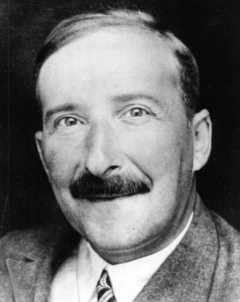

Encounters of His Life
🗺️ Stefan Zweig's Friendship Journeys Through Europe
Friendship Stations
Theodor Herzl (1860-1904) - The Visionary of Zionism
Vienna, around 1900: Stefan Zweig met the charismatic journalist and writer Theodor Herzl, who would go down in history as the "Father of modern Zionism". This encounter shaped Zweig's understanding of Jewish identity and the political developments of his time.
Herzl, who as correspondent of the "Neue Freie Presse" (New Free Press) in Paris witnessed the Dreyfus Affair, developed his vision of a Jewish state. Zweig was fascinated by Herzl's charismatic personality and his ability to inspire people for an idea.
💡 Historical Context:
Herzl organized the first Zionist World Congress in Basel in 1897 and published "The Jewish State" - a work that laid the foundation for the later establishment of Israel.
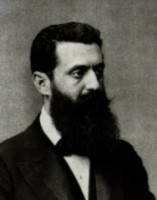
Theodor Herzl - Visionary and Friend
Peter Hille (1854-1904) - The Bohemian from Berlin
Berlin, 1900: During his studies in Berlin, Stefan Zweig met the eccentric writer Peter Hille, a "true bohemian" of the Berlin literary scene. Hille, who lived in poor conditions, impressed the young Zweig with his unbridled creativity and unconventional lifestyle.
Hille was known for his spontaneous poetry and his ability to tell stories out of nothing. He lived in a small attic room and wrote his poems on cigarette paper - a lifestyle that fascinated and inspired the bourgeois Zweig.
🎭 Anecdote:
Peter Hille is said to have once said: "I am a poet who does not write poems, but lives." His encounter with Zweig shaped Zweig's understanding of the artist bohemian and free artistry.
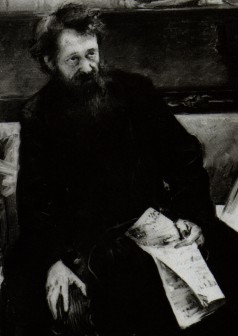
Peter Hille - The Bohemian from Berlin
Rudolf Steiner (1861-1925) - The Philosopher of Anthroposophy
Berlin, 1901: Stefan Zweig met the visionary philosopher Rudolf Steiner, who would later become world-famous as the founder of Anthroposophy and Waldorf education. This encounter opened up new spiritual horizons for Zweig and shaped his understanding of spiritual and philosophical questions.
Steiner, who was still known at the time as a Goethe scholar and theosophist, impressed Zweig with his profound erudition and his ability to communicate complex philosophical concepts understandably. His ideas about the spiritual development of man fascinated the young writer.
🌟 Influence on Zweig:
Steiner's thoughts about the "spiritual world" and human development influenced Zweig's later work, especially his biographies, in which he was interested in the inner development of his protagonists.

Rudolf Steiner - Philosopher and Visionary
Martin Buber (1878-1965) - The Philosopher of Encounter
Vienna, 1901: Stefan Zweig met the young Martin Buber, who would later go down in history as one of the most important Jewish philosophers of the 20th century. This encounter was characterized by profound conversations about religion, philosophy and Jewish identity.
Buber, who was still at the beginning of his philosophical career at the time, impressed Zweig with his revolutionary thoughts about the "I-Thou relationship" and his vision of an authentic human encounter. His ideas about dialogue and community shaped Zweig's understanding of friendship and human connection.
💭 Philosophical Influence:
Buber's concept of the "I-Thou relationship" from his later major work "I and Thou" (1923) influenced Zweig's understanding of authentic human relationships and shaped his portrayal of friendships in his biographies.

Martin Buber - Philosopher of Encounter
Karl Emil Franzos (1848-1904) - The Chronicler of Galicia
Berlin, 1901: Stefan Zweig met the experienced writer Karl Emil Franzos, who was known as the "Chronicler of Galicia" and immortalized Eastern European Jewish culture in his works. This encounter opened up a new perspective for Zweig on the Jewish diaspora and the cultural diversity of Europe.
Franzos, who came from Galicia and documented the Jewish way of life of his homeland literarily, impressed Zweig with his authentic depictions of Eastern European Jewry. His works such as "The Jews of Barnow" showed a world that was foreign to the Viennese Zweig until then.
📖 Literary Influence:
Franzos' "Half-Asia" - his designation for Galicia - and his depictions of Jewish culture shaped Zweig's later interest in cultural bridges between East and West, which is reflected in his travel reports and essays.

Karl Emil Franzos - Chronicler of Galicia
E.M. Lilien (1874-1925) - The Pioneer of Jewish Art
Berlin, 1901: Stefan Zweig met the visionary artist E.M. Lilien, who is considered the "Father of Jewish Art" and revolutionized modern Jewish aesthetics. This encounter opened up a new artistic dimension for Zweig and shaped his understanding of the connection between art and culture.
Lilien, who worked as an illustrator, graphic artist and photographer, impressed Zweig with his innovative artistic techniques and his ability to translate Jewish themes into contemporary art. His works for the Zionist movement and his illustrations for Jewish texts were groundbreaking.
🎭 Artistic Influence:
Lilien's synthetic style, which combined Art Nouveau with Jewish motifs, influenced Zweig's later interest in the cultural Renaissance of Judaism and shaped his understanding of the role of art in cultural identity formation.
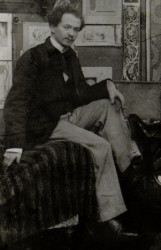
E.M. Lilien - Pioneer of Jewish Art
Arthur Schnitzler (1862-1931) - The Psychologist of the Viennese Soul
Vienna, 1908: Stefan Zweig met the famous dramatist and narrator Arthur Schnitzler, who went down in literary history as the "Psychologist of the Viennese Soul". This encounter was characterized by profound conversations about literature, psychology and Viennese society.
Schnitzler, who worked as a doctor and writer, impressed Zweig with his psychological depth and his ability to capture the hidden states of mind of his characters. His works such as "Liebelei" and "Reigen" revolutionized Viennese theater and shaped modernism.
💡 Literary Influence:
Schnitzler's "interior monologues" and his psychological narrative technique influenced Zweig's later work, especially his novellas, in which he was interested in the inner conflicts of his protagonists.
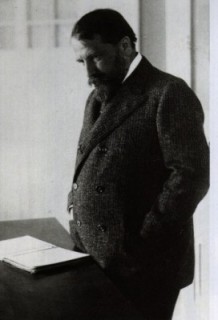
Arthur Schnitzler - Psychologist of the Viennese Soul
Hugo von Hofmannsthal (1874-1929) - The Poet of Viennese Modernism
Vienna, 1905: Stefan Zweig met the brilliant poet Hugo von Hofmannsthal, who had already become famous at a young age as the "Wunderkind of Viennese Literature". This encounter was characterized by profound literary conversations and mutual admiration for artistic creation.
Hofmannsthal, who had already caused a stir with his poems at the age of 16, impressed Zweig with his linguistic virtuosity and his ability to put complex emotional states into words. His later opera librettos for Richard Strauss made him one of the most important poets of Viennese Modernism.
🌟 Literary Influence:
Hofmannsthal's "Chandos Letter" (1902) and his thoughts on the language crisis of modernism influenced Zweig's later work and shaped his understanding of the limits of language in depicting complex states of mind.
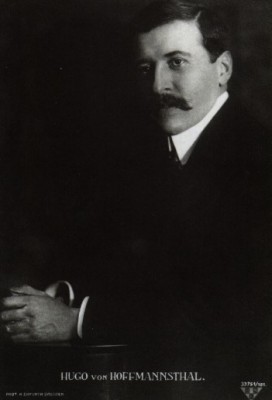
Hugo von Hofmannsthal - Poet of Viennese Modernism
Emile Verhaeren (1855-1916) - The Poet of Modernism
Belgium, around 1902: Stefan Zweig met the Belgian poet Emile Verhaeren, who went down in literary history as the "Poet of Modernism" and pioneer of Symbolism. This encounter was characterized by profound conversations about poetry, art and the social upheavals of the time.
Verhaeren, who was one of the first poets to address industrialization and urbanization in his works, impressed Zweig with his visionary power and his ability to capture the beauty of the modern. His poems about cities, factories and the new age were revolutionary.
💫 Literary Influence:
Verhaeren's "Les Villes tentaculaires" (1895) and his poems about the modern city influenced Zweig's later interest in depicting social upheavals and shaped his understanding of the connection between art and zeitgeist.

Emile Verhaeren - Poet of Modernism
Rainer Maria Rilke (1875-1926) - The Poet of Inwardness
Rippoldsau, 1913: Stefan Zweig met the already famous Rainer Maria Rilke, who would go down in literary history as one of the greatest lyric poets of the German language. This encounter was characterized by profound conversations about poetry, art and the secrets of the human soul.
Rilke, who was already recognized as a master of lyric poetry at the time, impressed Zweig with his extraordinary sensitivity and his ability to put inexpressible feelings into words. His later works such as "The Duino Elegies" and "The Sonnets to Orpheus" made him one of the most important poets of modernism.
✨ Literary Influence:
Rilke's "Letters to a Young Poet" (1929) and his thoughts on the art of writing influenced Zweig's later work and shaped his understanding of the responsibility of the artist and the importance of inner truth in literature.
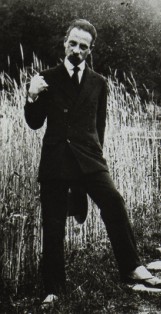
Rainer Maria Rilke - Poet of Inwardness
Auguste Rodin (1840-1917) - The Master of Sculpture
Paris, around 1902: Stefan Zweig met the famous sculptor Auguste Rodin, who went down in art history as the "Father of Modern Sculpture". This encounter was characterized by profound conversations about art, creativity and the secrets of artistic creation.
Rodin, who was already recognized as a master of sculpture at the time, impressed Zweig with his revolutionary approach to sculpture and his ability to capture vitality and emotion in stone and bronze. His works such as "The Thinker" and "The Kiss" revolutionized art.
🎨 Artistic Influence:
Rodin's "unfinished" sculptures and his idea that art is a process influenced Zweig's later understanding of artistic authenticity and shaped his interest in depicting human emotions and conflicts.
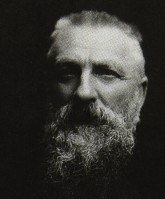
Auguste Rodin - Master of Sculpture
Benno Geiger (1882-1965) - The Poet and Art Critic
Vienna, around 1908: Stefan Zweig met the young writer and art critic Benno Geiger, who would later become known as the "Bridge Builder Between Cultures". This encounter was characterized by profound conversations about poetry, art and the connection between German and Italian culture.
Geiger, who was still at the beginning of his artistic career at the time, impressed Zweig with his passion for Italian literature and his ability to build cultural bridges. His later translations of Italian poets and his own poems made him an important mediator between cultures.
🌍 Cultural Influence:
Geiger's translation work and his thoughts on cultural mediation influenced Zweig's later interest in international literature and shaped his understanding of the importance of translations in cultural understanding.
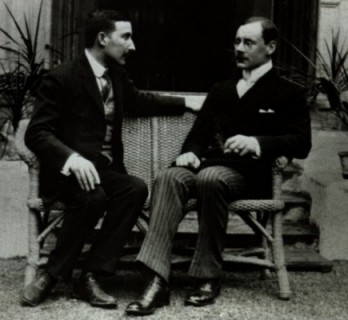
Benno Geiger - Poet and Art Critic
Berta Zuckerkandl (1864-1945) - The Salonnière of Vienna
Vienna, 1915: Stefan Zweig met the famous theater critic and publisher Berta Zuckerkandl, who went down in cultural history as the "Queen of Viennese Salons". This encounter was characterized by profound conversations about art, culture and the social developments of the time.
Zuckerkandl, who worked as an art critic and salonnière, impressed Zweig with her ability to bring people together and build cultural bridges. Her salon was a meeting place for artists, writers and intellectuals from all over Europe.
🎭 Cultural Influence:
Zuckerkandl's salon and her thoughts on cultural mediation influenced Zweig's later understanding of cultural networks and shaped his interest in the connection between art and society.
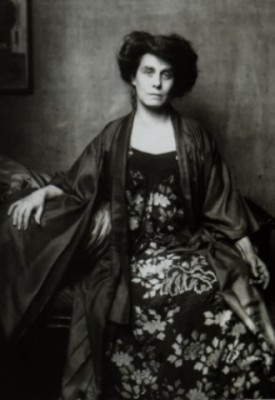
Berta Zuckerkandl - The Salonnière of Vienna
Else Lasker-Schüler (1869-1945) - The Poet of the Avant-garde
Berlin, 1902: Stefan Zweig met the eccentric poet Else Lasker-Schüler, who went down in literary history as the "Queen of the Expressionists". This encounter was characterized by profound conversations about poetry, art and the revolutionary ideas of the avant-garde.
Lasker-Schüler, who worked as a pioneer of Expressionism, impressed Zweig with her unbridled creativity and her ability to take new artistic paths. Her poems and her eccentric personality made her one of the most fascinating figures of the Berlin art scene.
🎨 Artistic Influence:
Lasker-Schüler's expressionist poetry and her thoughts on artistic freedom influenced Zweig's later understanding of artistic innovation and shaped his interest in depicting human emotions and conflicts.
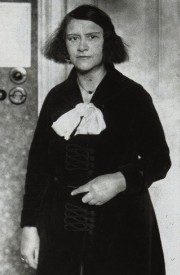
Else Lasker-Schüler - The Poet of the Avant-garde
Walter Rathenau (1867-1922) - The Industrialist and Politician
Berlin, 1908: Stefan Zweig met the influential industrialist and later politician Walter Rathenau, who went down in history as the "Father of German Economics". This encounter was characterized by profound conversations about economics, politics and the social challenges of the time.
Rathenau, who worked as an industrialist and intellectual, impressed Zweig with his visionary power and his ability to combine economics and culture. His later political offices and his tragic assassination made him one of the most important figures of the Weimar Republic.
💼 Political Influence:
Rathenau's thoughts on economics and his vision of a social market economy influenced Zweig's later understanding of social responsibility and shaped his interest in the connection between economics and culture.
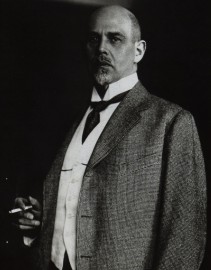
Walter Rathenau - The Industrialist and Politician
Gerhart Hauptmann (1862-1946) - The Dramatist of Naturalism
Rapallo, 1913: Stefan Zweig met the famous dramatist Gerhart Hauptmann, who went down in literary history as the "Father of German Naturalism". This encounter was characterized by profound conversations about theater, literature and the social issues of the time.
Hauptmann, who was already recognized as a master of drama at the time, impressed Zweig with his ability to bring social reality to the stage and authentically depict human conflicts. His works such as "The Weavers" and "The Beaver Coat" revolutionized German theater.
🎨 Literary Influence:
Hauptmann's naturalistic dramas and his thoughts on the social responsibility of the artist influenced Zweig's later understanding of social literature and shaped his interest in depicting human fates.
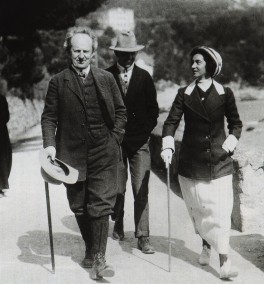
Gerhart Hauptmann - The Dramatist of Naturalism
Karl Kraus (1874-1936) - The Satirist and Language Critic
Vienna, 1913: Stefan Zweig met the sharp-tongued satirist Karl Kraus, who went down in literary history as a "Language Critic and Moralist". This encounter was characterized by intensive discussions about language, journalism and the social ills of the time.
Kraus, who worked as editor of "Die Fackel" (The Torch), impressed Zweig with his merciless criticism of the press and his ability to expose linguistic manipulation. His satirical texts and his uncompromising stance made him one of the most controversial figures of the Viennese cultural scene.
💡 Cultural Influence:
Kraus' language criticism and his thoughts on the responsibility of language influenced Zweig's later understanding of linguistic precision and shaped his interest in the connection between language and truth.

Karl Kraus - The Satirist and Language Critic
📚 Did You Know?
Stefan Zweig lived in Salzburg in 1924 and began writing "The World of Yesterday" there. His library comprised over 3,000 volumes – many of them with handwritten annotations.